
The global camera market, long under the steadfast influence of Japanese manufacturers, is now facing an imminent and exciting transformation. Chinese innovators are stepping onto the stage, promising to redefine the landscape of mirrorless photography. This shift is not merely about new entrants but about a fundamental reshaping of market dynamics, offering consumers more diverse, affordable, and potentially groundbreaking imaging solutions.
For decades, the realm of high-quality cameras has been synonymous with Japanese brands such as Canon, Sony, and Nikon, alongside other prominent names like Fujifilm, Panasonic, and OM System. These companies have consistently led the charge in digital photography, setting benchmarks for innovation and quality. However, a new force is steadily rising from China, challenging this long-held dominance. Chinese technology firms have already made significant strides in related photographic fields. DJI, headquartered in Shenzhen, has dramatically reshaped the action camera market, surpassing established players like GoPro. Their influence extends beyond action cameras, as they also command substantial market share in pocket vlogging cameras and drones, showcasing a strong capacity for design, manufacturing, and market penetration.
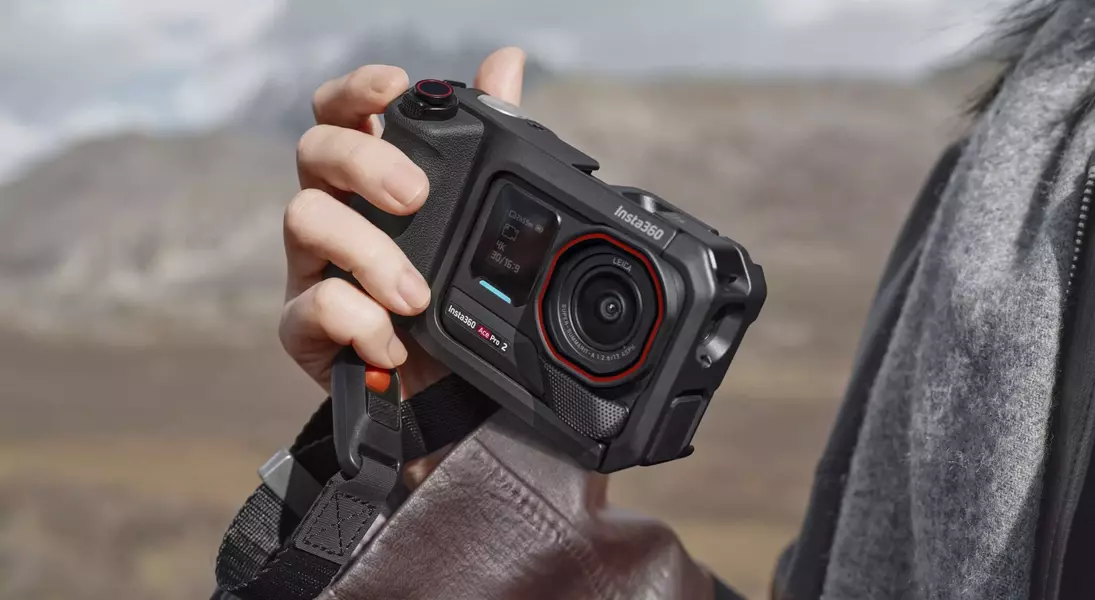
Similarly, Insta360 has emerged as a global leader in 360-degree cameras, pushing the boundaries of immersive imaging. These successes demonstrate a clear trend: Chinese companies are not just competing; they are innovating and leading in specific, high-growth segments of the imaging industry. The next logical step for these technologically advanced manufacturers is to venture into the highly competitive mirrorless camera market. Recent reports and industry whispers suggest that this transition is already underway. Insta360 CEO Jingkang 'JK' Liu has confirmed that his company is developing not one, but two mirrorless cameras. One is described as possessing an unprecedented form factor with the potential to revolutionize photography, while the other is rumored to be a minimalist Micro Four Thirds body, indicating a strategic entry into diverse market segments.
Beyond Insta360, lens manufacturer Viltrox is another key player poised to make a significant impact. Viltrox has gained considerable recognition for producing high-quality lenses compatible with major camera systems from Sony, Nikon, and Fujifilm, often at a fraction of the cost of proprietary alternatives. The brand's expansion into L-mount lenses further solidifies its position. This extensive experience in lens manufacturing positions Viltrox uniquely to introduce its own mirrorless camera body. The speculation is fueled by the recent development of APS-C format prime lenses for L-mount by Viltrox, despite the absence of existing APS-C L-mount camera bodies. This strategic move suggests that Viltrox may be laying the groundwork for its own camera ecosystem, a move that could significantly disrupt the current market duopoly held by Canon and Sony.
The entry of Chinese manufacturers into the mirrorless camera market is anticipated to bring a much-needed shake-up. This disruption is not expected to be in the form of AI-powered gimmicks, but rather in making advanced mirrorless technology more accessible and affordable. Many aspiring photographers find mirrorless cameras prohibitively expensive, and Chinese brands, with their proven track record of delivering value, could democratize access to high-quality imaging equipment. This would not only foster greater competition but also drive innovation in camera design and functionality, moving beyond traditional form factors to offer genuinely fresh perspectives. The implications of this shift are profound, promising a future where cutting-edge photography tools are available to a broader audience, encouraging creativity and pushing the boundaries of visual storytelling.