
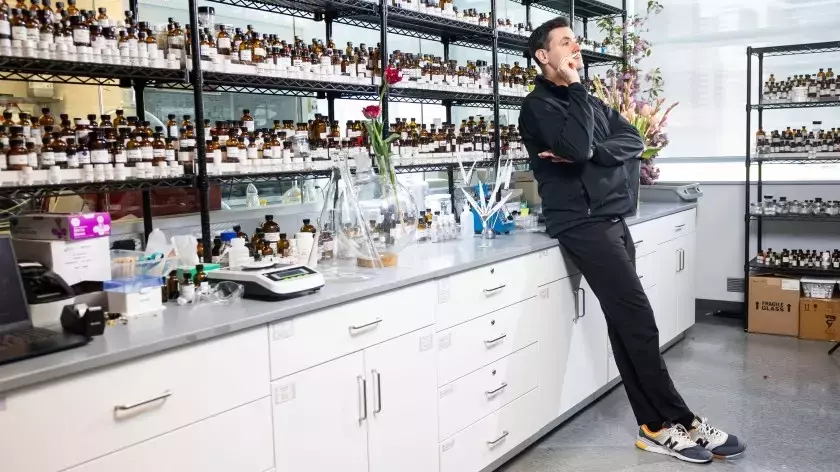
Modern technological advances have successfully digitized sight and sound, yet the sense of smell has long remained an uncharted frontier for computing. A pioneering technology venture is currently constructing a specialized foundation model aimed at giving machines olfactory perception. By combining chemical spectrometry with structured evaluations from trained human assessors, researchers are cataloging millions of molecular scent profiles. This approach allows algorithmic models to recognize intricate aroma compositions and predict how humans perceive specific chemical structures.
Beyond basic fragrance classification, this breakthrough technology is rapidly demonstrating real-world utility across diverse sectors. From assisting consumer brands with automated perfume formulation to uncovering potent insect repellents and authenticating commercial products through chemical fingerprints, machine olfaction is proving highly versatile. Future applications could even extend to safety monitoring and early disease detection. Although modeling olfactory context remains complex, digitalizing aroma represents a transformative milestone in sensory artificial intelligence.
Constructing the Foundational Data Architecture for Machine Olfaction
Establishing a reliable machine learning infrastructure for fragrance perception necessitates building an unprecedented repository of olfactory information. Unlike visual or auditory media, which benefit from standard digital standards, airborne chemical compounds require specialized recording methods. Specialized laboratory personnel methodically analyze diverse substances, translating distinct aromatic traits into standardized nomenclature. Simultaneously, advanced chemical instruments dissect these samples down to their molecular components, converting physical matter into quantitative data strings. This dual-layer mapping process enables the predictive algorithm to correlate intricate chemical arrangements with human sensory experiences. By processing massive volumes of molecular tokens alongside descriptive tags, the computational network learns the subtle relationships between structural changes and perceived odors. Consequently, the computational platform gains the ability to identify subtle distinctions between related aromas and accurately anticipate human reactions to novel synthetic compounds. This comprehensive dataset serves as the core foundation, bridging the divide between organic chemical reality and synthetic intelligence.
The methodology underlying this computational breakthrough relies heavily on generating proprietary datasets where traditional public records fell short. Earlier research efforts were constrained by fragmented databases containing minimal standardized descriptions, along with prohibitive hardware costs and industry confidentiality. To overcome these limitations around data scarcity, researchers established continuous automated testing routines utilizing high-precision mass spectrometers alongside teams of trained human evaluators. These specialists meticulously grade physical items ranging from organic produce to complex synthetic mixtures using uniform vocabulary guidelines. Through this rigorous indexing, researchers discovered intriguing chemical overlaps where vastly different everyday items share identical foundational molecular arrangements. To convert these analytical insights into functional output, developers constructed large-scale robotic mixing systems capable of assembling exact fluid formulas dictated by text inputs. Users can input specific descriptive prompts specifying target demographics or stylistic themes, prompting the algorithm to generate tailored chemical recipes within minutes. This seamless integration of data collection, predictive modeling, and automated physical production demonstrates how algorithmic systems can systematically master intricate biological senses previously deemed exclusive to human cognition.
Commercial Horizons and Technical Challenges in Digital Scent Sensing
The practical deployment of artificial olfactory systems is already yielding concrete achievements across multiple commercial sectors. In consumer manufacturing, corporate partners utilize algorithmic synthesis to accelerate the development of fresh retail scents and household goods. Beyond commercial fragrances, global health initiatives have leveraged this predictive power to identify chemical formulations that repel disease-bearing insects far more effectively than traditional active ingredients. Furthermore, authentication specialists employ molecular identification models to verify consumer merchandise by detecting microscopic variances in material manufacturing compositions. Looking ahead, researchers anticipate extending these capabilities toward critical public safety infrastructure, including hazard screening at transport hubs and non-invasive medical diagnostics capable of detecting biological anomalies. However, transitioning from controlled laboratory settings to dynamic real-world environments requires overcoming significant hurdles, particularly regarding contextual interpretation. Because human perception of airborne molecules varies depending on environment and expectation, computational models must evolve to interpret surrounding conditions rather than relying purely on static chemical signatures.
While the achievements in scent digitization represent a significant technological milestone, domain specialists emphasize that replicating human olfactory processing involves navigating complex psychological and environmental dynamics. A central difficulty stems from the fact that human odor interpretation is deeply tied to contextual cues and cognitive associations. The exact same volatile molecule can evoke drastically contrasting responses depending on where and how it is encountered, a nuance that straightforward chemical analysis cannot easily capture. Skeptics also point out that many current operational workflows still depend on human sensory panels for final verification, indicating that full algorithmic autonomy remains a work in progress. Furthermore, expanding machine olfaction into high-stakes domains like medical screening demands substantial improvements in hardware sensitivity, miniaturization, and algorithmic robustness. Early attempts at direct medical diagnostics faced immense financial and technical hurdles, leading current innovators to focus first on building versatile foundational models before targeting specialized clinical uses. Despite these ongoing challenges, steady improvements in chemical sensor hardware combined with expanding data repositories suggest that digital scent processing will continue to mature, ultimately enabling automated systems to interact with the physical world through an entirely new sensory dimension.